Rock the Block : Integrated action plans for aesthetic, circular and inclusive housing
Strengthening neighbourhoods by combining building renovation with community action in Egaleo, Greece.
Credit: Angelos Ploumis
Credit: Angelos Ploumis
Credit: Angelos Ploumis
Case Study
Context
Ageing housing and fragmented neighbourhood relationships
In many Greek cities, ageing apartment buildings require investment while neighbourhoods simultaneously experience declining social cohesion. Physical deterioration and weakened community networks often reinforce one another, making regeneration increasingly difficult. This is the case in Egaleo, a suburban municipality in Western Athens characterised by traditional Athenian polykatoikias (mixed-use, multi-residence blocks). It benefits from a vibrant community, but also relatively persistent social deprivation: citizens face increasing rent charges, ageing buildings, energy poverty and aesthetic poverty, together with weakening community bonds.
Rock the Block recognises that renovation programmes succeed when residents actively participate in shaping change. The project therefore combines building improvement with community development, treating social relationships as essential components of successful regeneration.
Story
Using renovation to rebuild neighbourhood relationships
Rock the Block works alongside residents to improve housing environments while strengthening local communities. Rather than viewing participation as consultation, the project enables residents to help identify priorities, develop solutions and contribute to neighbourhood activities.
Building physical and technical improvements (including energy-efficiency, digital, aesthetic, functional, circular, and/or inclusive enhancements) are combined with social programmes that encourage cooperation between neighbours. These programmes include:
- A ‘Co-living Hub’ hosting skills-building, caring, awareness raising and educational actions. This Hub supports community building.
- A new municipal ‘Housing Office’ as a one-stop-shop for institutional housing protection and advice, which offers housing-related consultation to all citizens for free.
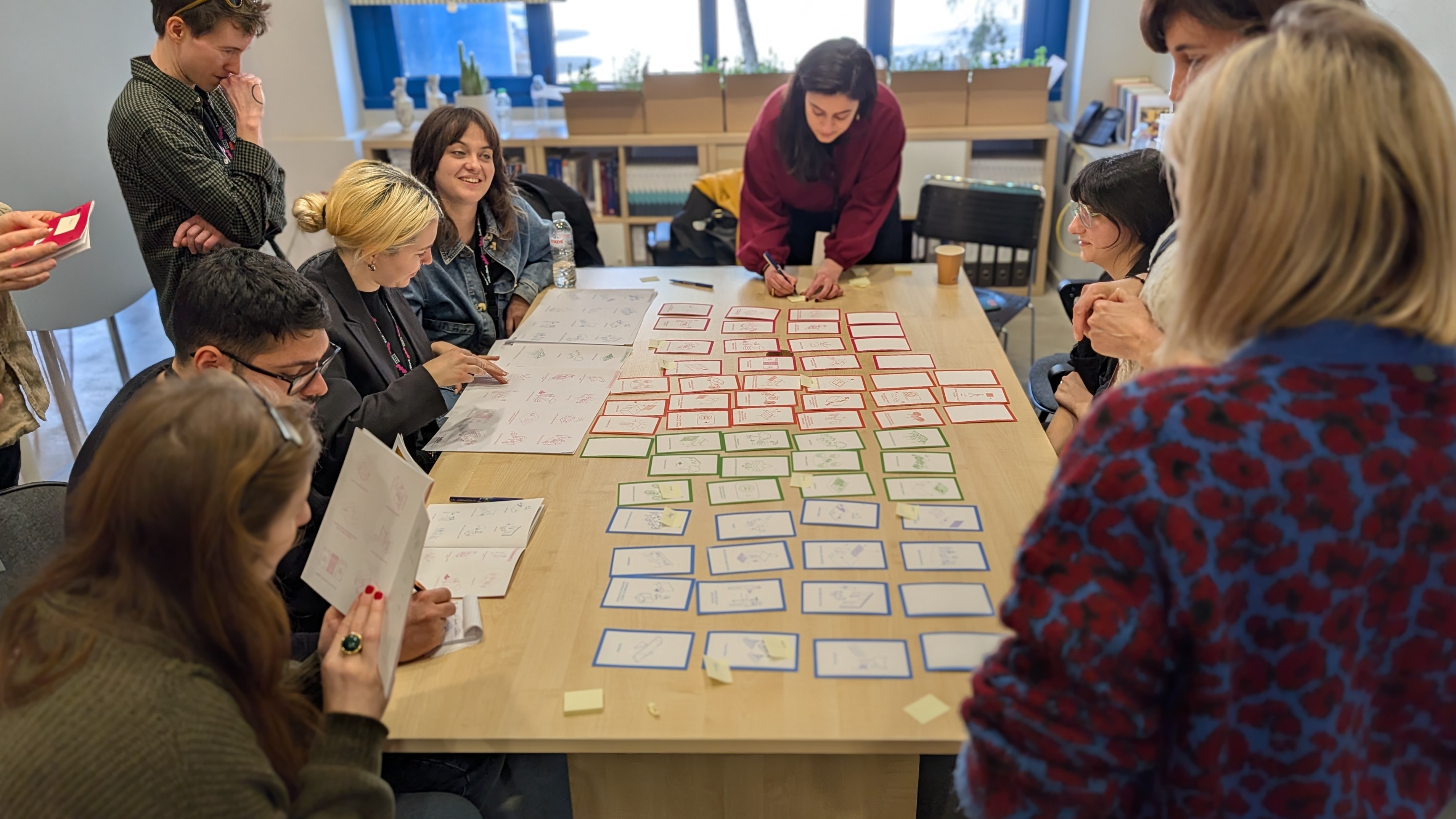
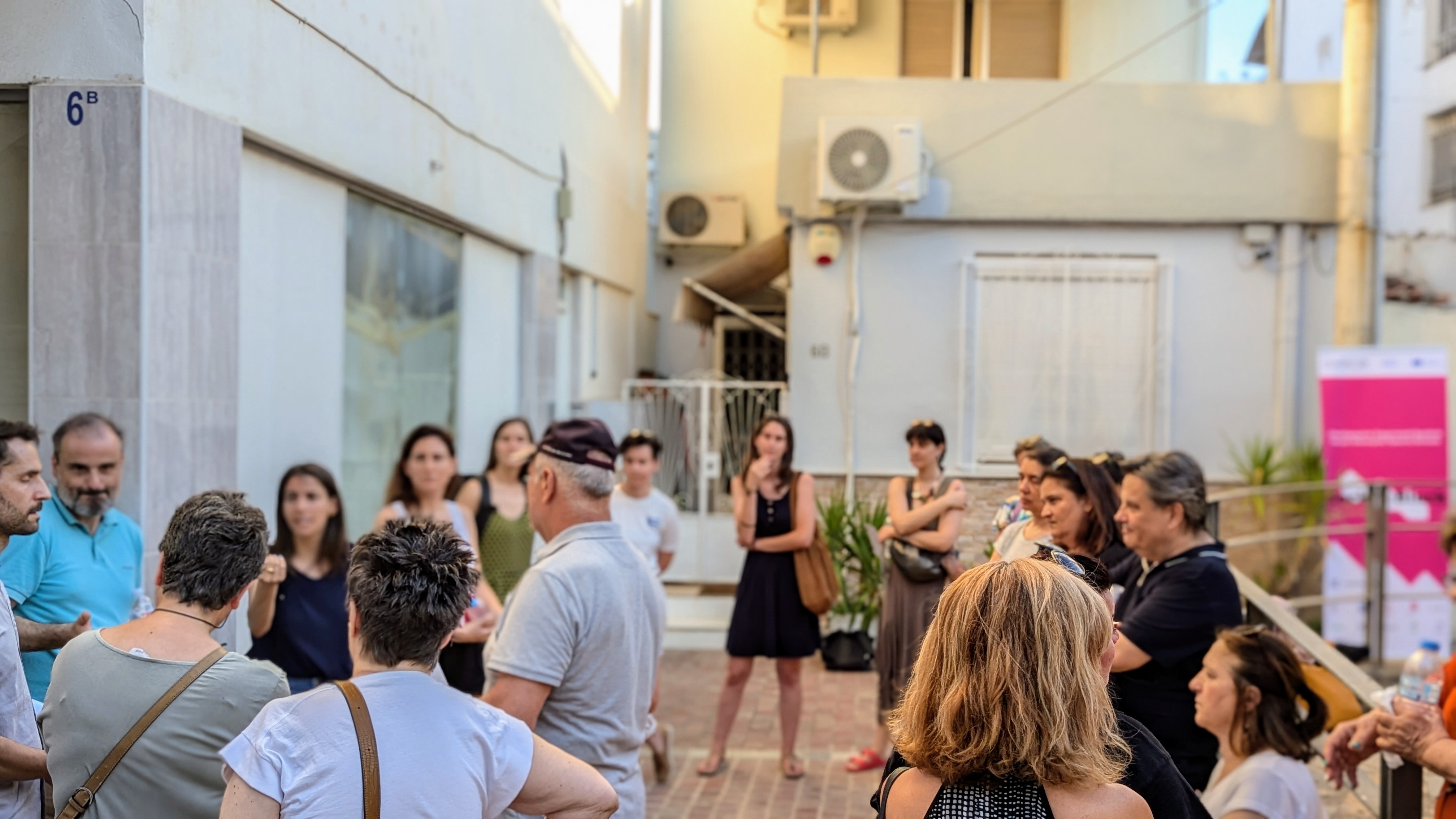
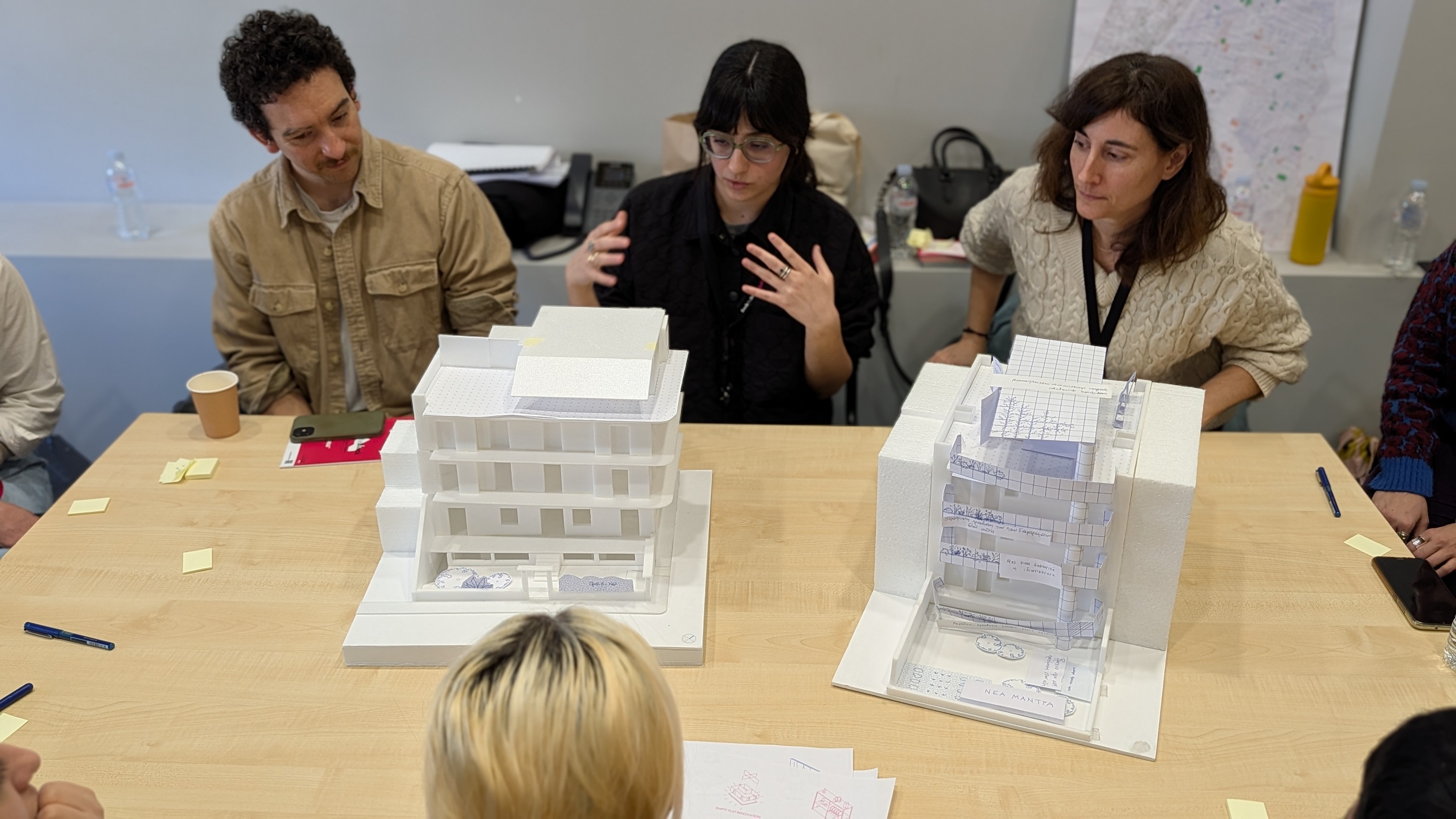
Participatory workshops were also organised across the ten selected residential apartment buildings, known as “polykatoikias”, in Egaleo. These on-site sessions were designed to inform residents about the project’s multidimensional objectives, map existing social assets, and identify urgent household needs. The workshops contributed to organising the selected buildings into communities of cooperation, and results informed the co-design of the integrated action plans for building renovation.
This integrated approach creates visible environmental improvements alongside stronger community networks. The project therefore demonstrates that physical and social regeneration should reinforce one another rather than being delivered independently.
Lesson learnt
Retrofit succeeds when communities help lead it
Rock the Block demonstrates that neighbourhood regeneration depends upon shared ownership of the process.
Cities considering similar approaches should:
- Engage residents before construction begins.
- Combine physical investment with community programmes.
- Support local leadership throughout implementation.
- View participation as an ongoing relationship rather than a consultation exercise.
- Celebrate small successes that build confidence for larger changes.
An important lesson learned is that social infrastructure requires continuous investment just as buildings do.
Impact
Rock the Block improved housing quality while strengthening neighbourhood identity, participation and trust.
Residents became more actively involved in local decision-making, creating stronger networks capable of supporting future regeneration initiatives. The project demonstrates that retrofit can become a catalyst for renewed community life rather than simply improved building performance.
The Rock the Block project was funded by the European Urban Initiative programme.