From Olive Waste to Design
Transforming agricultural waste into both a sustainable material and a symbol of peace
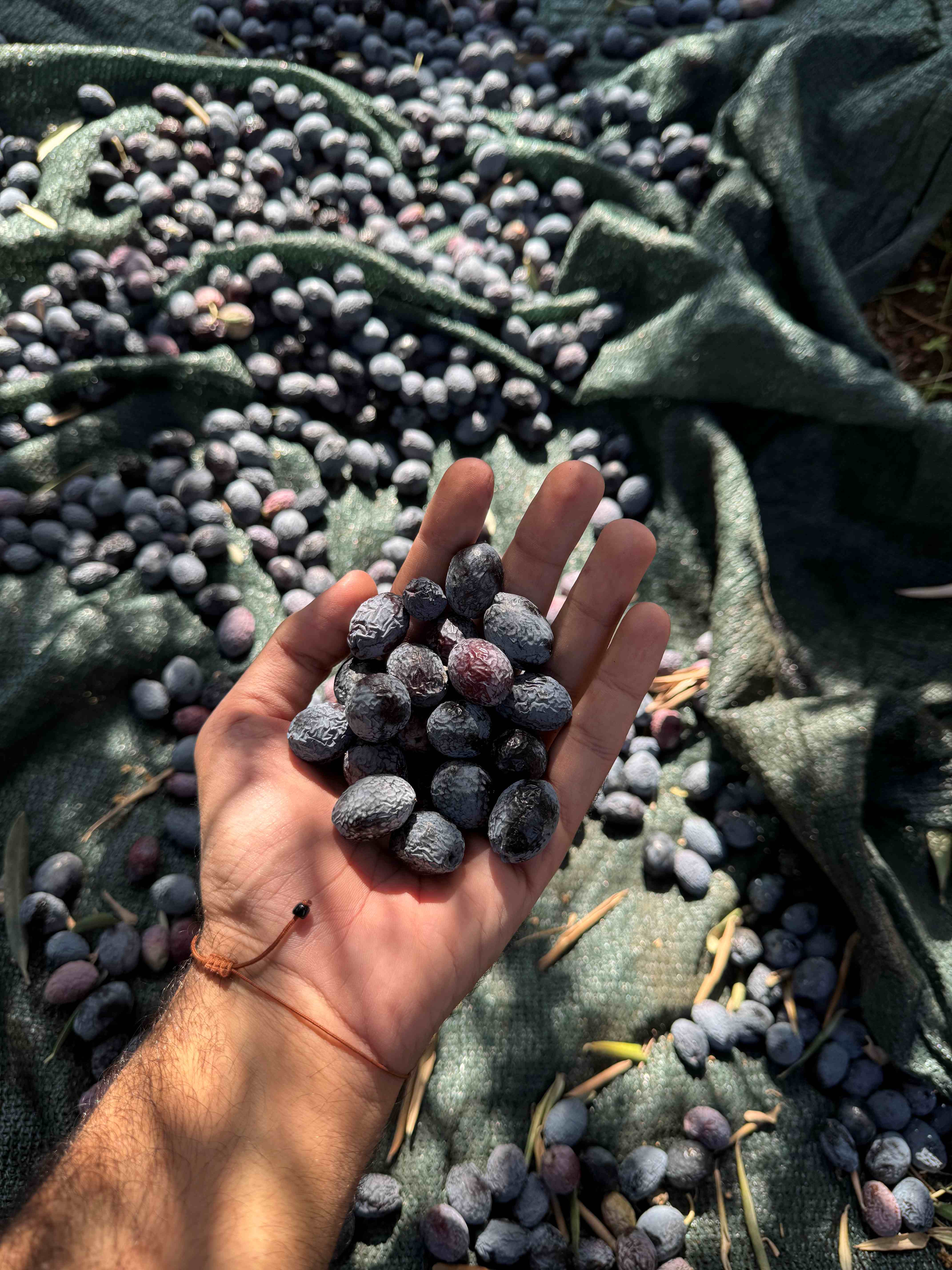
Credit: Pit to Table website
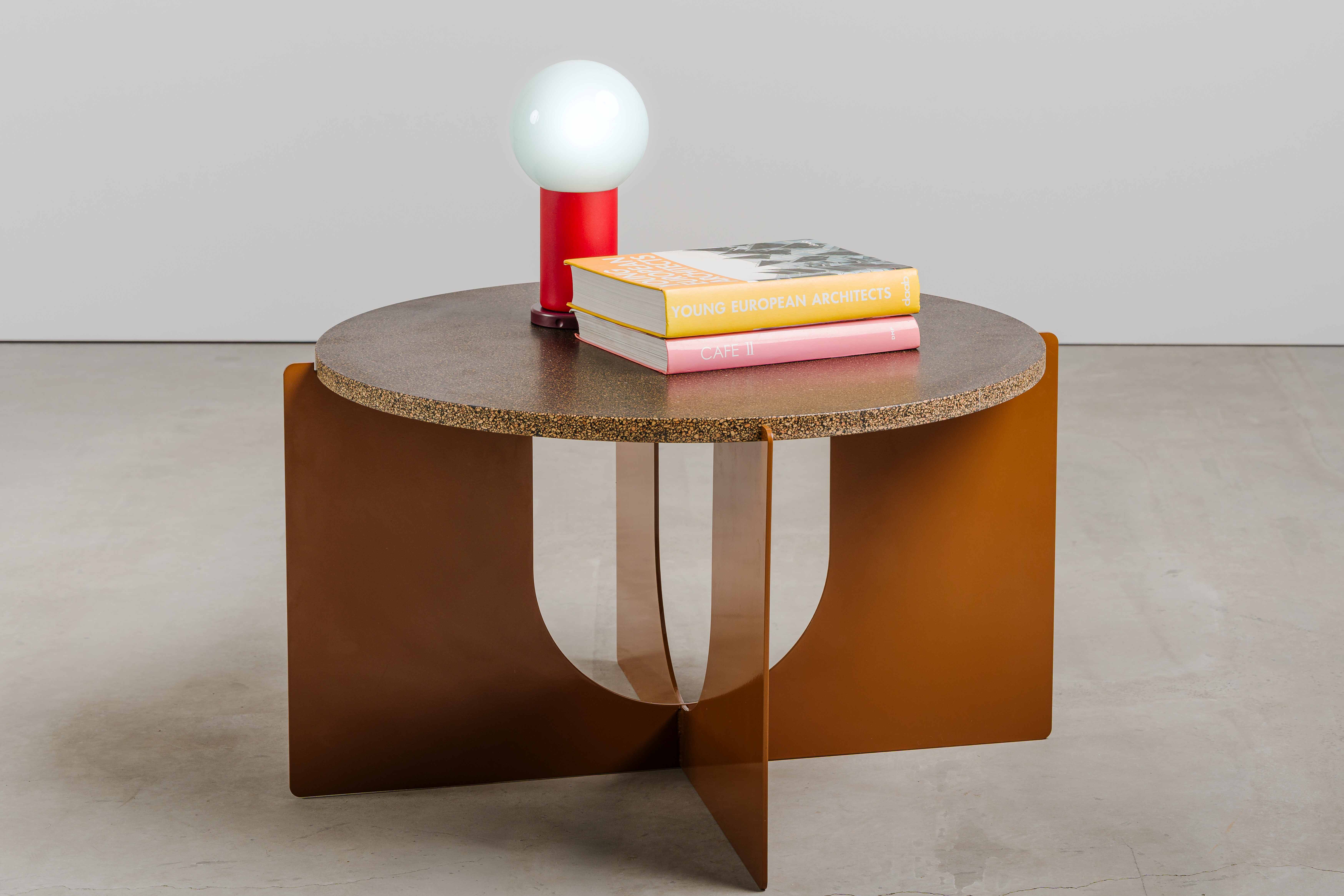
Credit: Pit to Table website
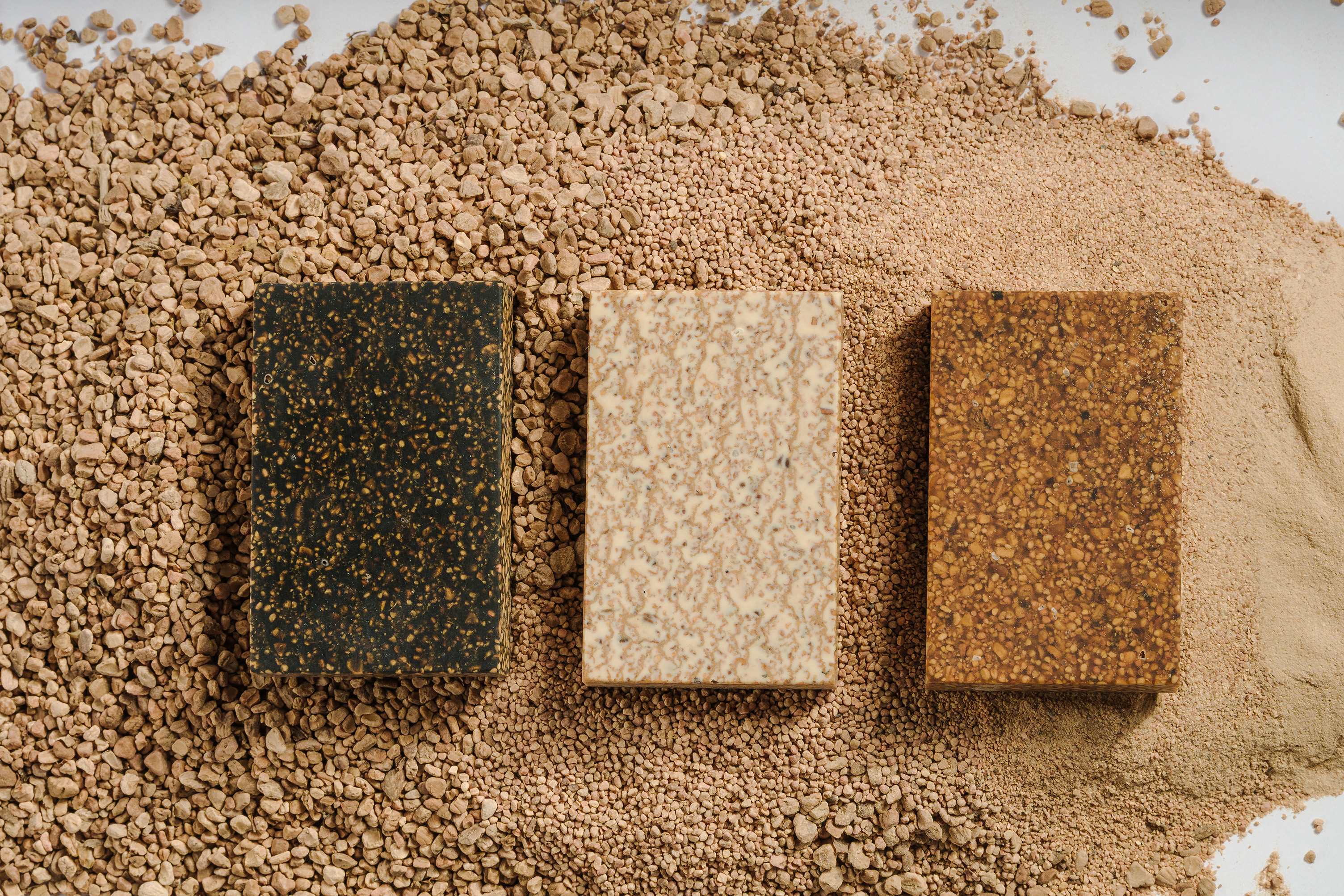
Credit: Pit to Table website
Case Study
Context
Olive pits going to waste in a divided Cyprus, where local materials are scarce
Cyprus produces large quantities of olive oil, and with it, thousands of tonnes of olive pits. Most of this agricultural waste is discarded or burned, representing both an environmental problem and a missed opportunity.
At the same time, the island has been divided for over 50 years, with Greek Cypriot and Turkish Cypriot communities living mostly separate lives. Designers, makers and manufacturers on both sides face similar challenges: access to sustainable materials, rising costs, and the need to stand out in competitive markets. Yet opportunities for cross-community collaboration in the creative sector remain limited.
The creative industries in Cyprus are small and fragmented. Material supply chains rarely cross the divide. There is little infrastructure for turning agricultural waste into design materials, and no established platform for designers, farmers and makers to work together across communities. Circular economy models exist elsewhere in Europe, but seem not to have been adapted to Cyprus's specific context.
Story
From waste to award-winning design — a material born from cross-community co-creation
The project started with a simple question: what if olive pits could be turned into something valuable?
It first emerged through a Hackathon facilitated by SocialTech Lab, an organisation experienced in fostering collaboration between Greek Cypriot and Turkish Cypriot communities. The core team included designers and material engineers. Their goal was to develop a stable, workable biomaterial for furniture, interiors, and product design and to do it through co-creation with both communities on the island.
The team travelled across Cyprus to find farmers willing to supply olive pits and consulted local makers to test feasibility. Early conversations confirmed genuine interest but also that technical challenges would be significant.
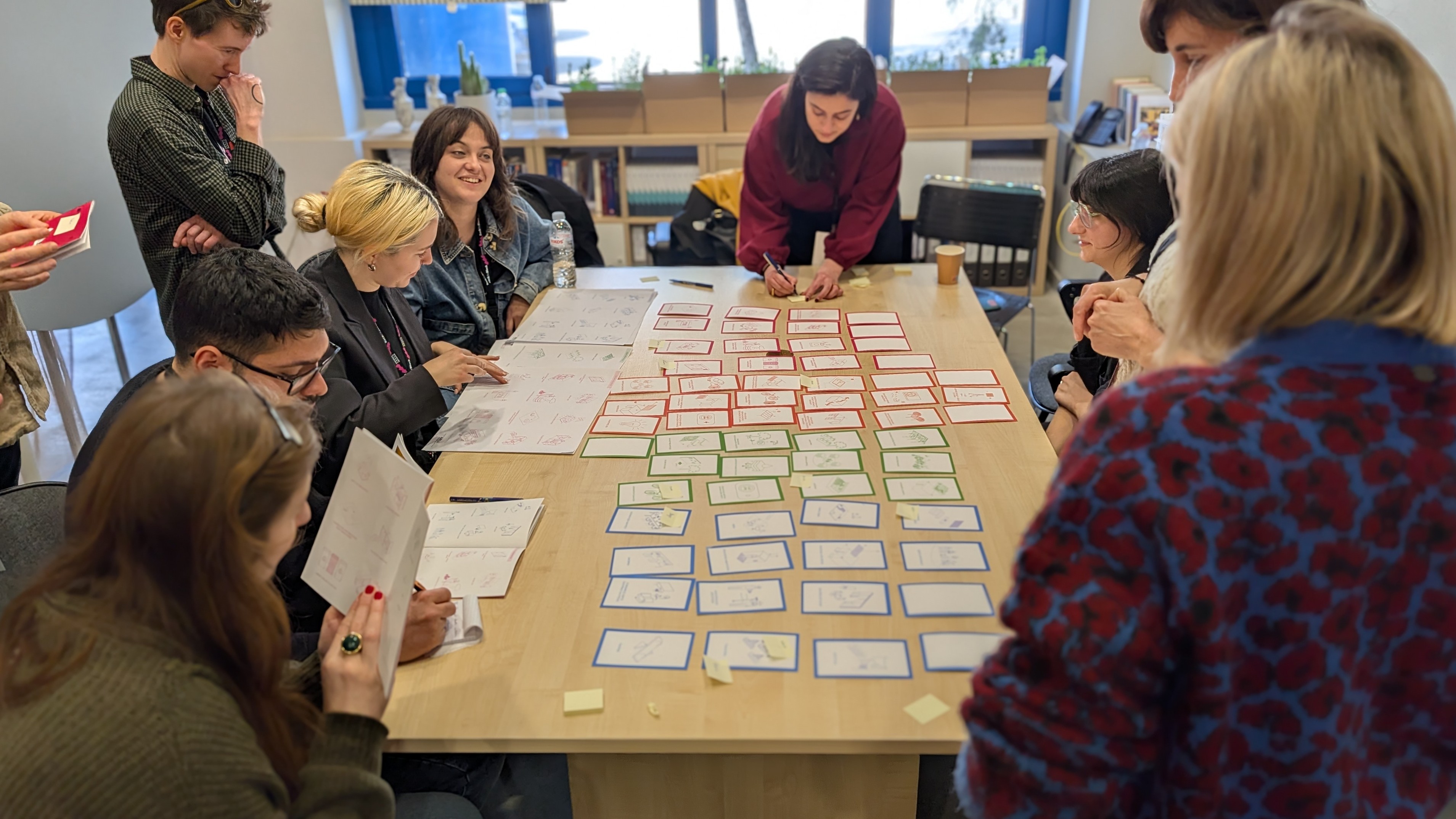
The team conducted extensive prototyping sessions. Each brought together carpenters, CNC operators (computer numerical control, i.e. specialists who use computer-guided cutting machines), material researchers, fabricators and designers to test pit-resin ratios, mould designs, mixing methods, and finishing techniques.
The project organised cross-community co-design sessions with architects, interior designers and furniture makers. It worked with farmers and suppliers from both sides of the island, building a shared supply chain. It partnered with CYENS Centre of Excellence and NeemaLabs for technical support. Stakeholders came from across the island and beyond.
By the end, the material existed as a fully functional product, a high-quality design piece made from olive pits and bio-resin (73% of agricultural waste), available in three colours: natural, charcoal and soft white.
Lesson learnt
Repeated testing, cross-community trust, and early user feedback
Material innovation demands patience. The team ran far more prototyping sessions than planned. Each round uncovered new problems: bubbles in the resin, warped moulds, uneven density, broken CNC blades. So, each problem got a new fix: a vacuum chamber, a better press, new additives, different cutting tools. Here problems were not failures but more a part of the process.
The team also learnt that cross-community collaboration worked best when it grew out of shared practical work. Farmers, carpenters and designers from both sides got involved because they were curious about the material, not because anyone asked them to build peace: the work itself built the relationships.
Feedback is key. Participating to Clerkenwell Design Week, a major design festival in London, enabled to collect feedback from over 50 designers and industry professionals to shape the final product: the colours, the edge finish, how it was presented. Without that exposure, the product would have been shaped by guesses rather than real reactions.
The story turned out to matter more than expected. When people at design fairs learned that the material came from olive pits and was made through collaboration across Cyprus, they paid more attention. It did not replace the quality by any means, but it added to it. Several designers even said it made them more likely to use the material.
Impact
Pit to Table brought together 61 stakeholders from across the value chain: olive farmers, CNC operators, carpenters, designers and material scientists. Many of them stayed involved through multiple prototyping sessions. Several designers and manufacturers received samples and expressed interest in using the material in their own projects.
Olive pits came from both sides of the island. People from both communities worked together on production. The project showed that circular economy initiatives can do more than reduce waste: they can also serve as a platform for cooperation.
The project won the Startups4Peace 2025 Pitching Battle. It was nominated for 7 design awards, and won two of them: UNDESIGN GOLD, and BRIT LIST Highly commended. At the NEB Festival 2026, Ursula Von der Leyen, President of the European Commission, described the project as ‘a success story’. Media coverage followed in Design Wanted, Mix Interiors and even Forbes. Pit to Table samples have now reached out to 250 industry professionals across more than 30 countries.
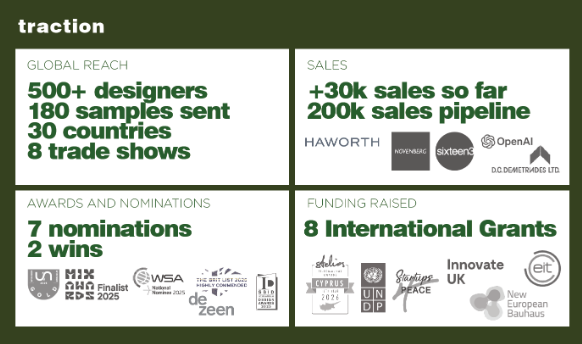
The project has moved beyond prototyping. A company now exists, supply chains are running, the first certifications were obtained, and the team is preparing for larger production runs. What was an experiment with olive waste has turned into a real business with social and environmental value.
The project was supported by the EIT Community New European Bauhaus – Grow NEB programme.