From Forgotten Land to Community Hub
Transforming a neglected green space in a rural town through arts, nature and co‑creation
Credit: Great Mead website – Gallery
Credit: Great Mead website – Gallery
Credit: Great Mead website – Gallery
Case Study
Context
A rural town with high deprivation and social isolation
Chard is a small rural town in South Somerset, UK, with around 14,000 residents. Like many small towns, it faces significant challenges. Some wards rank among the most deprived in the country. Food bank usage has risen sharply. Chard's local food bank has seen demand quadruple since between 2016 and 2025. On top of that, mental health conditions are rising faster than the national average.
Social isolation is widespread. The Office for National Statistics has identified Chard as a "high-risk" area. Many residents struggle with isolation: older people, those with mental or physical ill health, people from minority groups, and adults recovering from addiction.
Chard is also home to a diverse population, with Portuguese, Polish, Romanian, Asian British, and British residents.
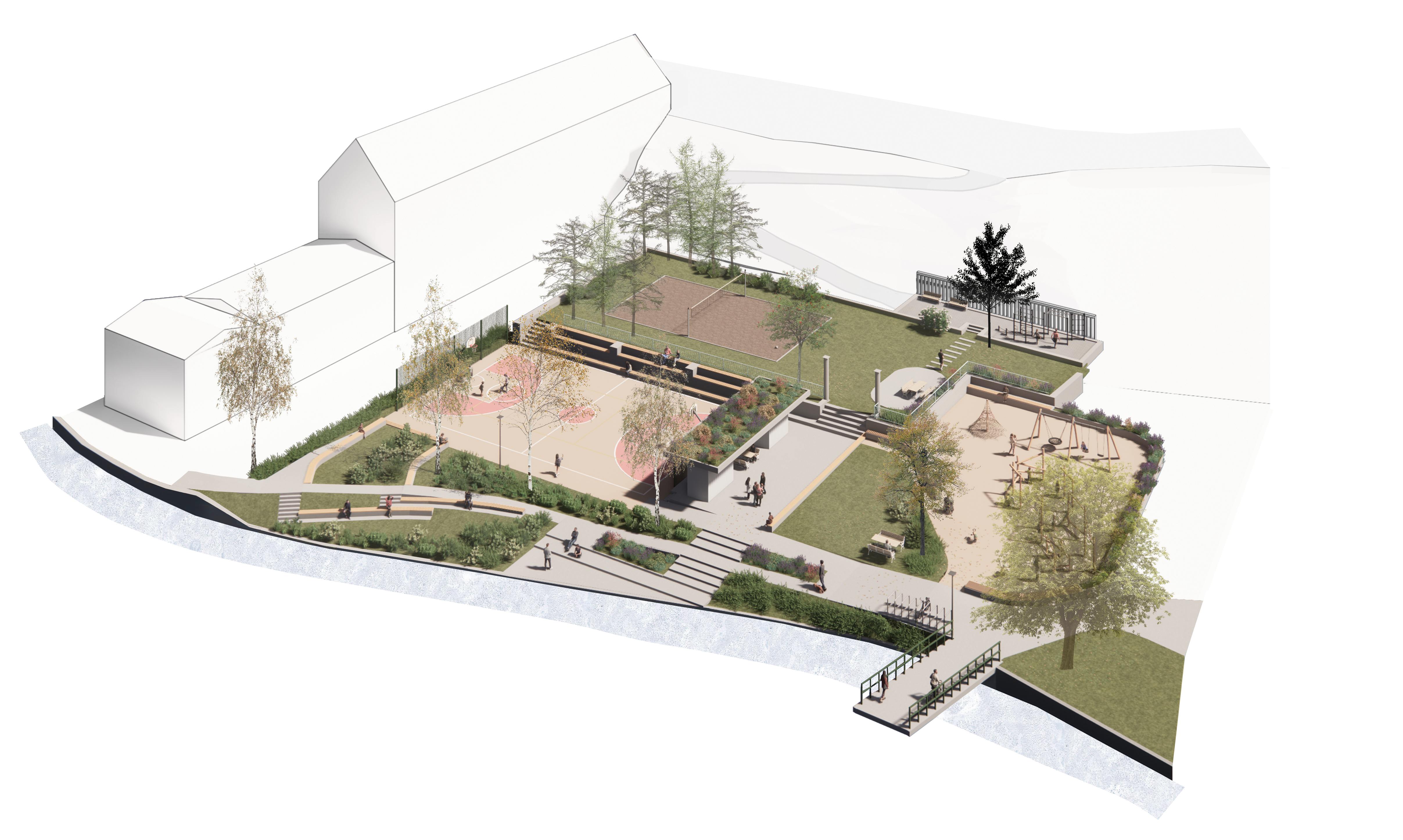
At the heart of the town lies Great Mead: almost 2.6 hectares of woodland, open grass, a stream, and a protected nature area. For years, it sat unused. In 2025, a pilot project was launched to change that.
Story
Chard is a small rural town in South Somerset, UK, with around 14,000 residents. Like many small towns, it faces significant challenges. Some wards rank among the most deprived in the country. Food bank usage has risen sharply. Chard's local food bank has
Cultivating Common Ground was led by Take Art, a local arts organisation. It brought together a wide range of partners: the local council and public services (Chard Town Council, Connect Somerset), schools and community organisations (Holyrood Academy, Chard Community Hub, WATCH CIC), and environmental and wellbeing groups (Somerset Wildlife Trust, ARK at Egwood). It was officially launched in March 2025.
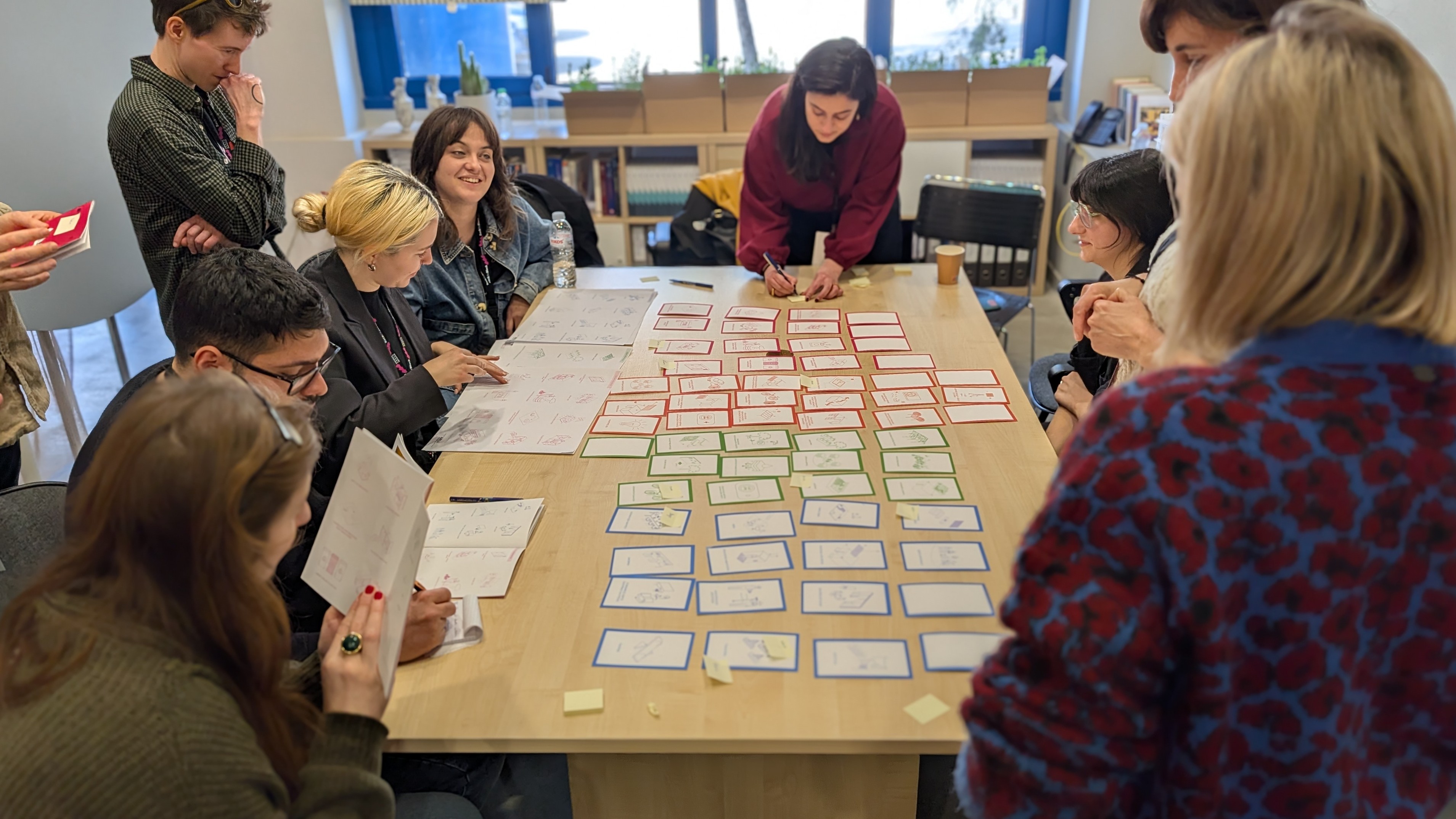
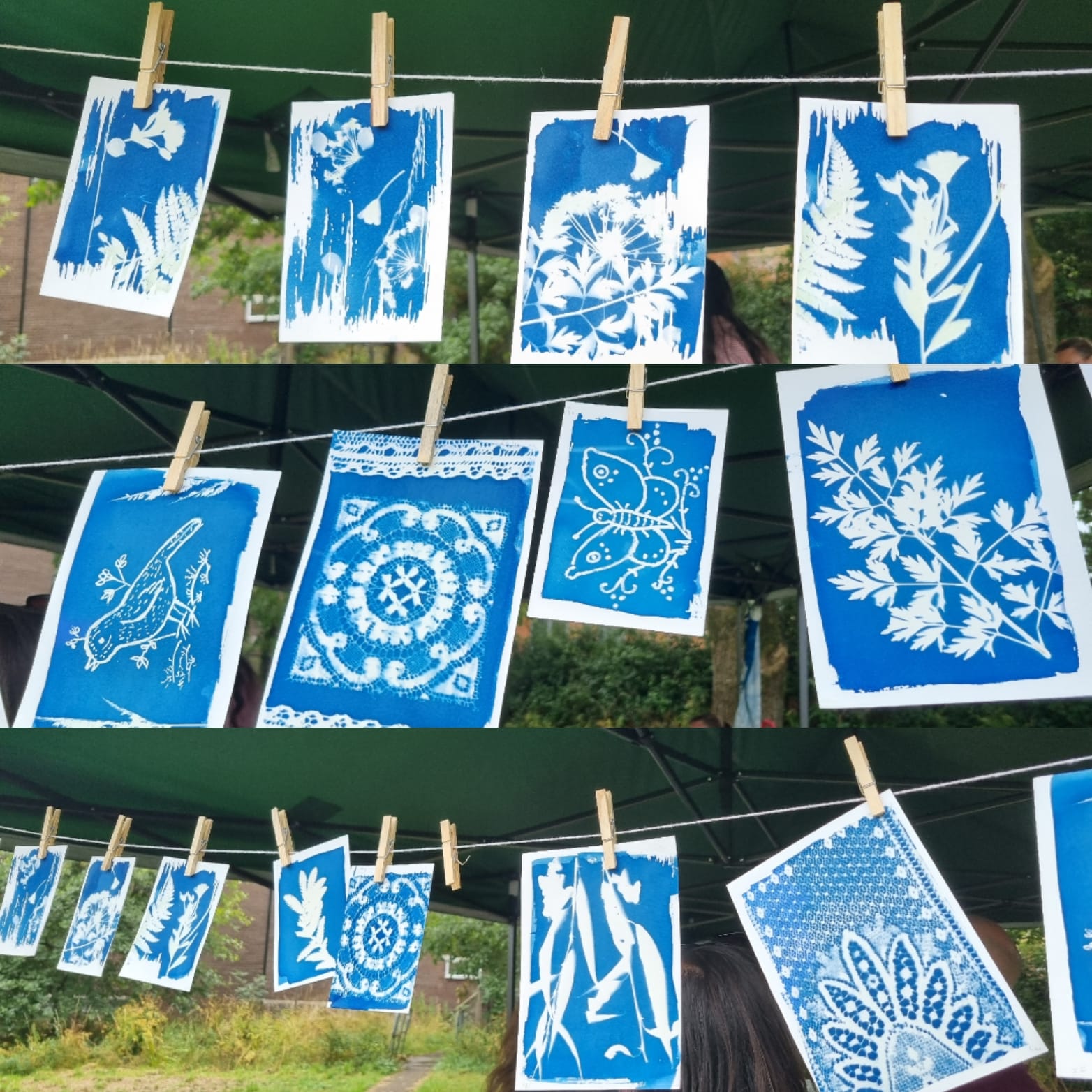
The work had two parallel tracks. The first was a participatory workshop programme, designed to test new ideas and equip participants with skills, confidence and opportunities for social interaction. The programme included nature walks, art workshops, willow weaving, botanical sun printing, horticultural sessions, and climate adaptation workshops.
The second track was the creation of a temporary community space. Participants co-designed and built installations, developed a garden area, and contributed to a nature survey. The project also established an Advisory Group and a Creativity Group, bringing together residents, partners and local organisations to shape the work.
It culminated in a "Minifest" in September 2025, where the community could experience and celebrate the outputs of the workshop programme. A Sharing Event in October brought together workshop participants, strategic partners and policy makers to reflect on what had been achieved and explore future opportunities.
Lesson learnt
More workshops than planned. A last-minute indoor venue. Building trust takes time
The team learnt that co-creation takes more time than they had budgeted for. People were more willing to share ideas while walking around Great Mead than through formal meetings. So they moved out of the meeting room and started taking people on guided walks. That was where the real ideas came from.
They also learnt that flexibility was more important than sticking to the original plan. They had planned 20 workshops for 30 people. But people wanted a wider range of activities that fitted their timeschedule around work, school holidays and transport. So the team delivered 34 workshops instead, reaching more people. Not everyone attended every workshop, but the broader reach turned out to be more valuable at this pilot stage.
Communication brought another lesson. It was assumed that people knew where Great Mead was, since it is in the centre of town. Unfortunately, most did not. They also started promoting the summer programme just before schools broke up, which was a mistake. People were already thinking about holidays. Next time, they would start earlier.
The weather also taught them the hard way. The MiniFest was planned for September outdoors, but it rained heavily. They had to move everything indoors at the last minute. They used the sports hall next to the site and set up a covered outdoor shelter. Surprisingly, people stayed longer than expected because they were dry and comfortable. It outlined the relevance of having a plan B.
Finally, they learnt that not everyone is open to change. A small group of residents damaged some signage and removed materials. The team therefore realised that building trust takes time and that some people need to be brought along slowly, as they cannot be forced.
Impact
Great Mead is now a recognisable community asset. People who had never visited the site now come regularly for walks and picnics. The site has been officially named Great Mead, and it now appears at the top of Google searches for the area.
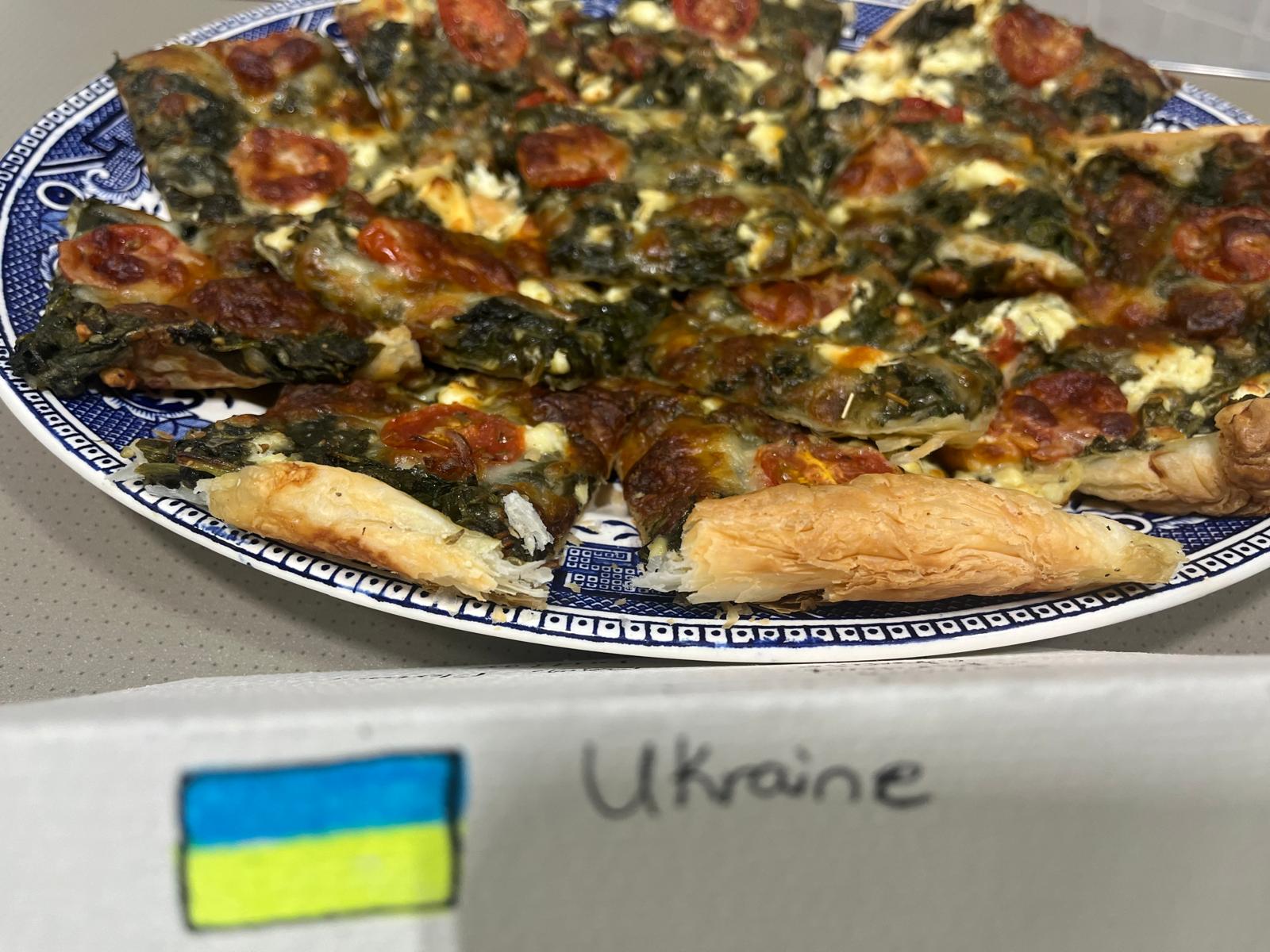
The project reached people who are often excluded. A conversation group for people for whom English is a second language moved their meetings from a classroom to Great Mead. Nine women from six different language backgrounds now meet regularly in the natural surroundings. They have asked to have their own part of the garden to grow produce next year.
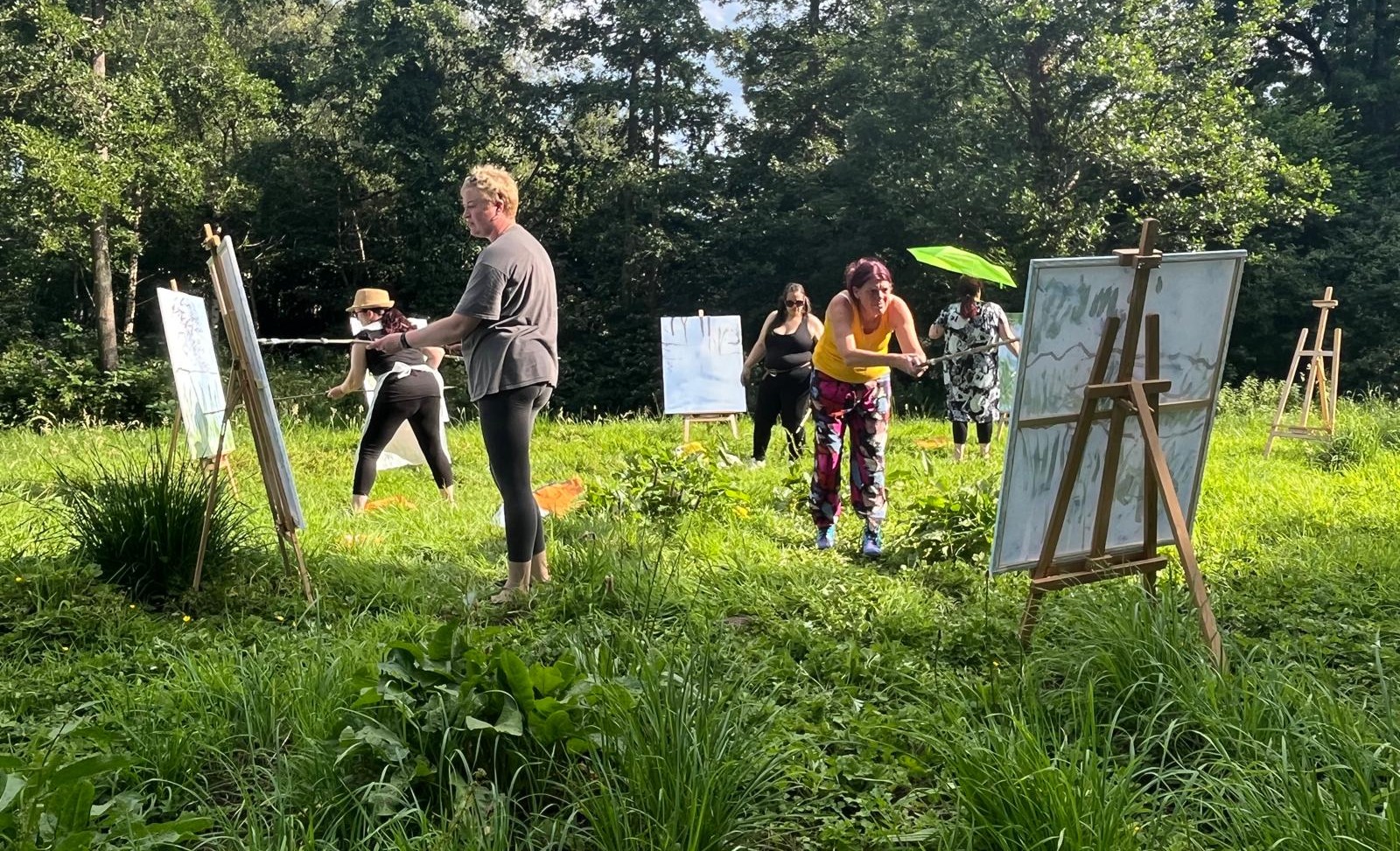
One participant described how the project became "woven into my 2025" and spoke of the "immense pride" she felt in showing her work. Another said the project was a "liberating exercise" and that painting outside was "so inspirational and fun".
In October 2025, Great Mead was named runner-up in the Somerset Prepared Community Resilience Awards, which noted that the project had "increased social connections, friendships and helped to build community capacity".
Holyrood Academy has now engaged each subject department to incorporate Great Mead into the curriculum. Chard Town Council is working more collaboratively with the school. The project has also opened up new funding opportunities, including applications for a Horizon Europe Green Transition programme.
The Cultivating Common Ground project was funded by the EIT Community New European Bauhaus – Connect NEB programme.